The Home Security Patent (1969)
- margielainparis
- Feb 11
- 1 min read

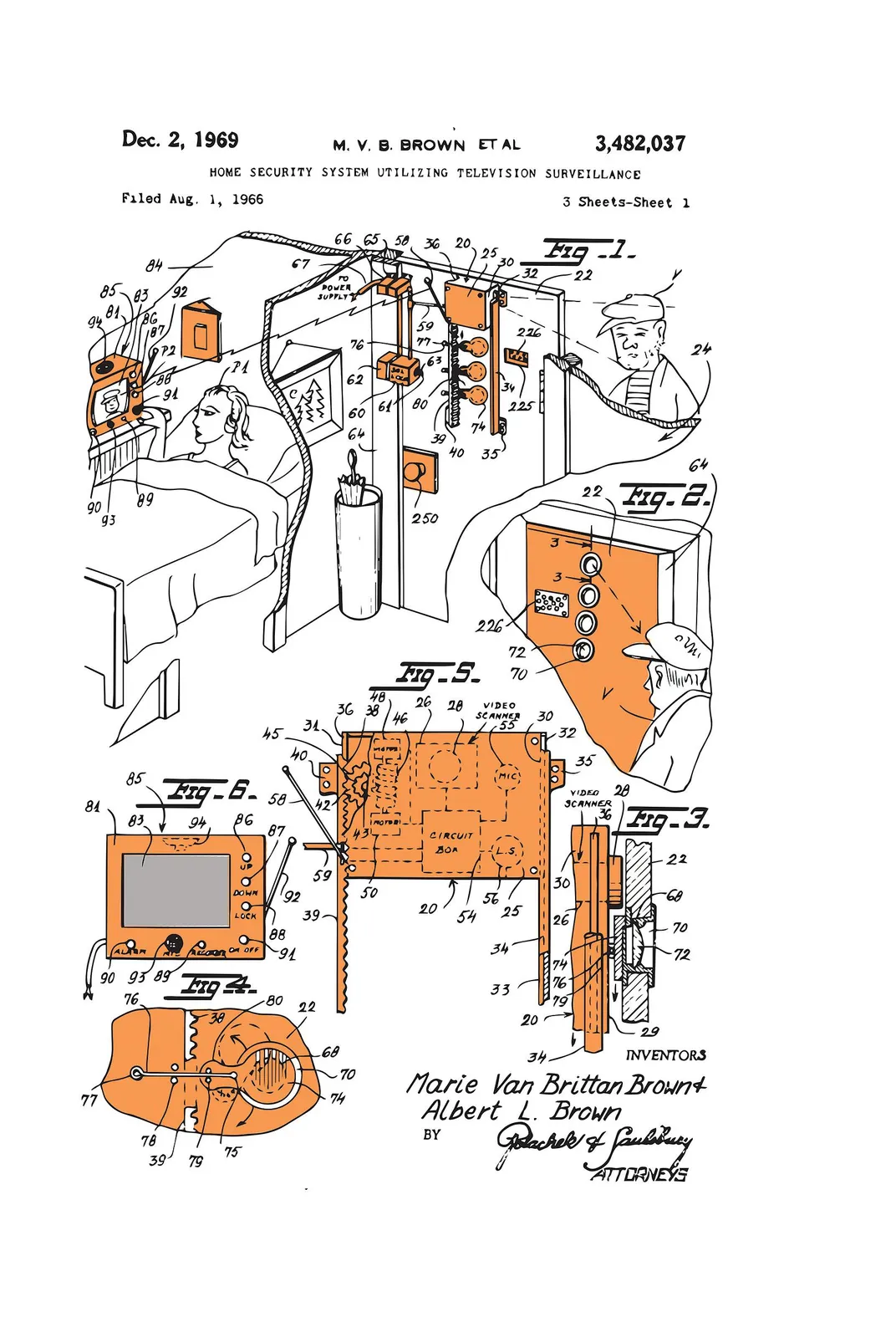
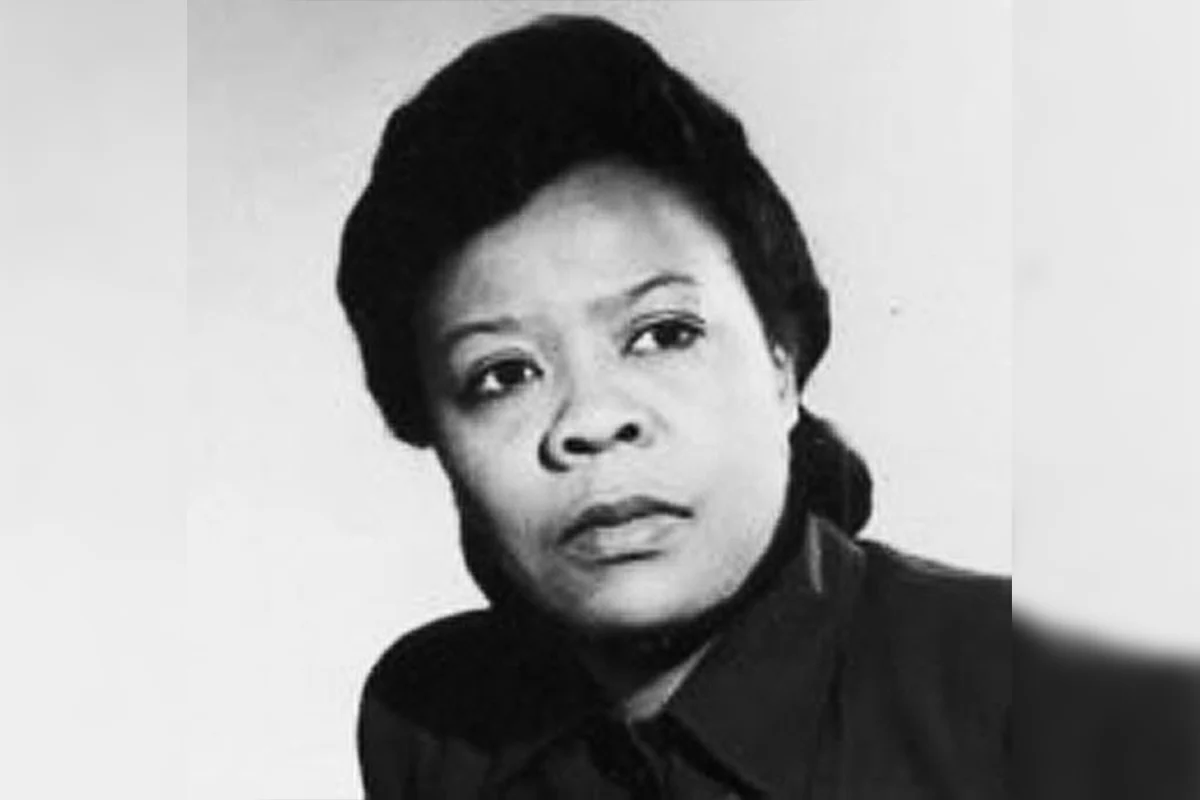


Marie Van Brittan Brown (October 30, 1922 – February 2, 1999) was an African-American nurse from Jamaica, Queens, New York, whose personal experience with rising neighborhood crime and slow police response inspired her to invent a radically new home security system in the 1960s. Feeling unsafe returning home after long night shifts, she sketched a design for a system that would let someone inside see and communicate with a visitor outside without opening the door — using multiple peepholes, a sliding camera, a television monitor, two-way microphones, and remote controls to unlock the door or trigger an alarm to contact police or guards.
In collaboration with her husband, Albert L. Brown, an electronics technician, she applied for a U.S. patent on August 1, 1966, for their device titled “Home Security System Utilizing Television Surveillance.” The United States Patent Office granted this patent (U.S. Patent No. 3,482,037) on December 2, 1969, officially recognizing Marie as the principal inventor alongside Albert.
Although the Browns’ system was too expensive to be mass-produced at the time and did not directly lead to financial gain for them, its concepts — especially the use of video surveillance, remote intercom communication, and entry control — laid the groundwork for modern home and commercial security systems and have been cited in dozens of subsequent patents. Marie and Albert raised two children, and their daughter Norma followed her mother’s path into nursing and invention. Marie Van Brittan Brown’s inventive response to a real-world safety problem has since been celebrated as a foundational contribution to the security industry.



Comments