Edward Hopper (1882–1967)
- margielainparis
- Feb 4
- 1 min read


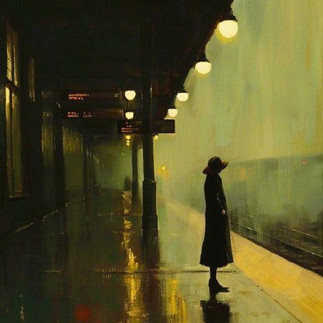
Edward Hopper was one of the most influential American painters of the twentieth century, best known for transforming ordinary scenes into powerful studies of isolation, light, and psychological tension. Trained at the New York School of Art under realist painter Robert Henri, Hopper absorbed the Ashcan School’s focus on everyday life but rejected its social bustle in favor of stillness, restraint, and emotional ambiguity. His mature style is defined by stark compositions, dramatic contrasts of light and shadow, simplified forms, and a subdued color palette that heightens a sense of loneliness and quiet unease, whether in urban apartments, roadside motels, offices, or diners like his iconic Nighthawks. Hopper drew inspiration from European modernism, cinema, and American architecture, using light almost as a narrative force that suggests inner lives without revealing them. Despite his later fame, Hopper endured long periods of obscurity and financial struggle early in his career, supporting himself through commercial illustration and selling very few paintings until his forties. His personal life was also complex: his marriage to fellow artist Josephine Nivison was creatively productive but emotionally volatile, marked by dependence, jealousy, and control, even as she championed his work and modeled for many of his figures. Over time, Hopper’s work gained wide recognition for its uniquely American voice and profound emotional resonance, influencing generations of painters, photographers, filmmakers, and writers. His legacy lies not only in his unmistakable visual style but in his ability to capture the quiet loneliness, tension, and beauty of modern life, shaped by perseverance through rejection, isolation, and personal conflict.



Comments